Following the vacancy in the position of Deputy Chief Justice since 1 September 2024, President Cyril Ramaphosa initiated a consultation process with the Judicial Service Commission (JSC) and leaders of political parties represented in the National Assembly, in accordance with the appointment process for a new Deputy Chief Justice.
The position became vacant when the then Deputy Chief Justice, Mandisa Maya, ascended to her current role as Chief Justice, following the retirement of Chief Justice Raymond Zondo.
Justice Mbuyiseli Madlanga has been acting in the role of Deputy Chief Justice since the vacancy arose.
Exercising his powers under Section 174(3) of the Constitution, the President nominated the following candidates and invited both the JSC and the public to submit comments on their suitability:
- Judge President of the Supreme Court of Appeal – Mahube Molemela
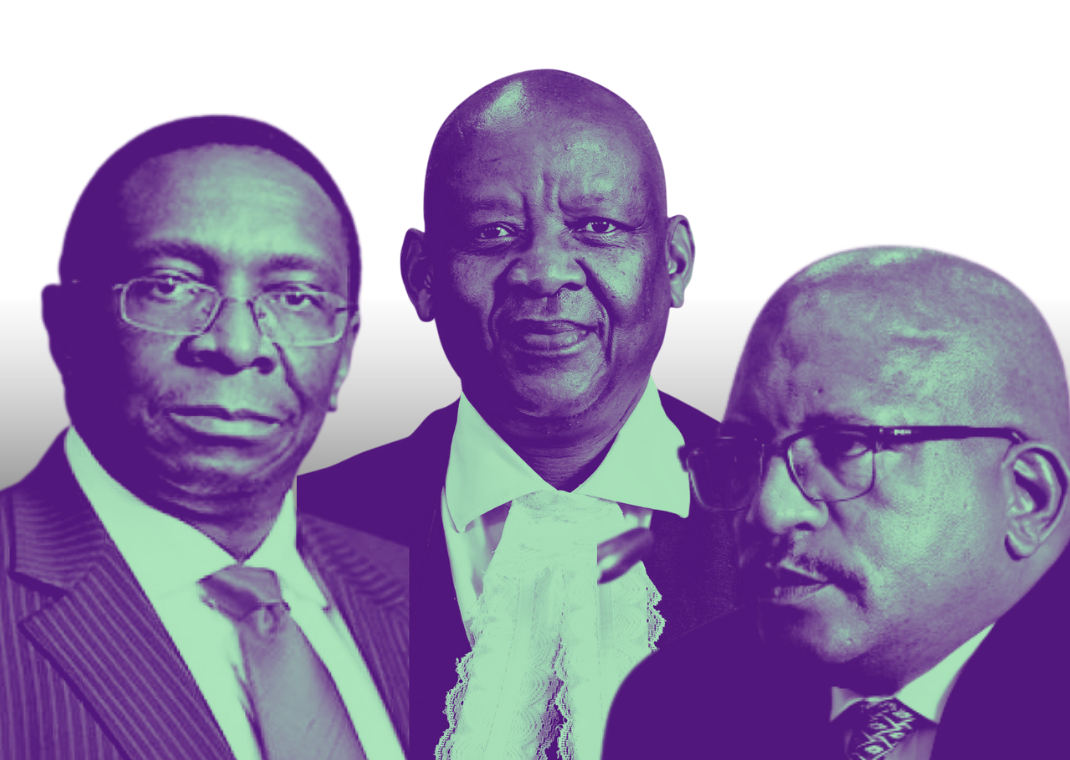
- Judge President of the Gauteng Division of the High Court – Dustan Mlambo
- Judge President of the Free State Division of the High Court – Cagney Musi
- Judge President of the Northern Cape Division of the High Court – Pule Tlaletsi
It is noteworthy that none of the nominees currently serve on the Constitutional Court bench. Justice Madlanga was not nominated, possibly due to his impending retirement.
Following the announcement, Judge President Mahube Molemela declined her nomination, expressing her continued commitment to her role at the Supreme Court of Appeal. Accordingly, only three nominees remain in the running, all of whom have accepted their nominations.
The role of the Deputy Chief Justice (DCJ) is a critical one: it involves supporting the Chief Justice in leading the judiciary and stepping in during the Chief Justice’s absence. The DCJ also chairs the Judicial Conduct Committee, which is tasked with considering complaints of misconduct against judges and determining whether formal disciplinary processes should be initiated.
The JSC has now invited the three remaining nominees for public interviews scheduled for 2–3 July 2025. Following these interviews, the JSC will make recommendations to the President.
Ultimately, the decision rests with the President, who is not bound by the JSC’s recommendation, but must still seriously consider the views of both the JSC and the leaders of political parties in Parliament.